What Works with Girls: Images
Because graphic images can work on a visceral, emotional level, they have the power to help transform girls' perceptions of computing. Here's what we’ve learned about images from our focus groups with girls.

It's about People, Not Technology
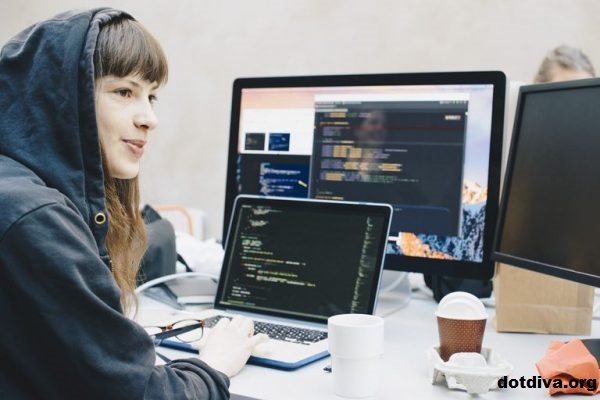
Images of technology alone (even of cool gadgets like smartphones or 3-D imaging) don't generate much career interest from girls. But add a person to the mix (especially someone who looks happy or engaged), and the chemistry changes dramatically.

Help Girls See Themselves in Computing
While women of all ages make great role models and mentors for girls, our focus groups revealed that girls were particularly influenced by photographs of young women just a few years older than themselves. With all due credit to pioneers like Grace Hopper, it's more relevant to use images of women under the age of 30–35—women just a step ahead of the girls themselves in life. The response we want to evoke is, "Could that be me after I graduate from college?"
In a field overwhelmingly populated by white males, it's especially important that young women of all races and ethnicities see images of themselves. While words are sometimes unconvincing, photos have the power to make women of color feel that there’s a place for them in computing, too.

Make It Social
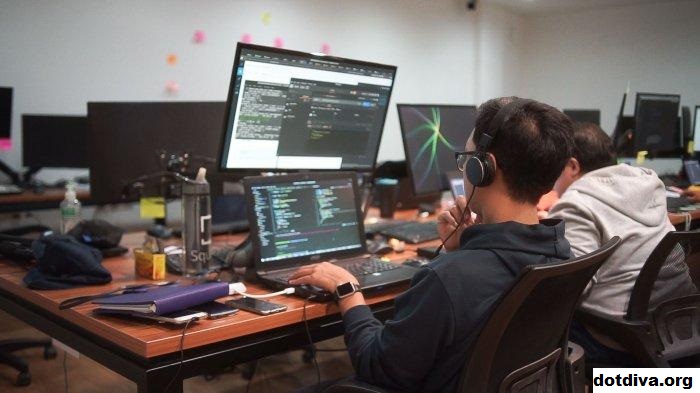
Feature people working together—collaboration and teamwork are important to girls. Since computing is used in virtually every profession, show people working together across fields—a music software developer consulting with a rock band, for example, or the creator of a digital medical device with physicians and scientists.

Don't Be Stuffy
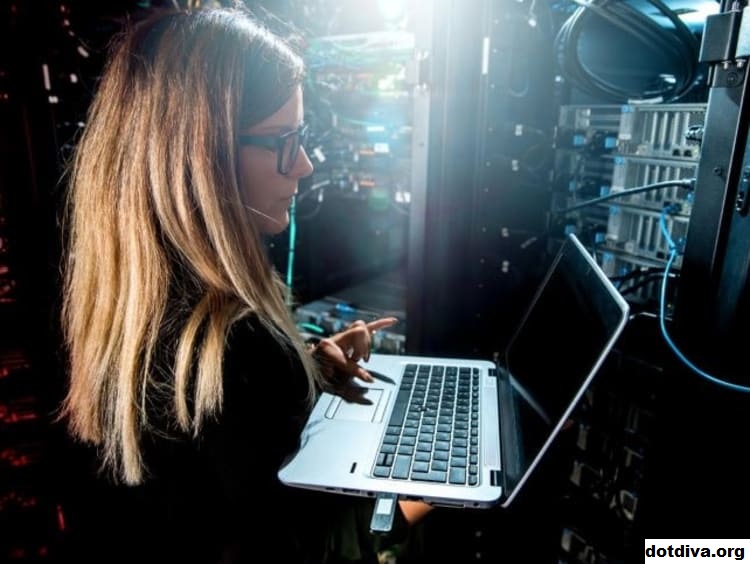
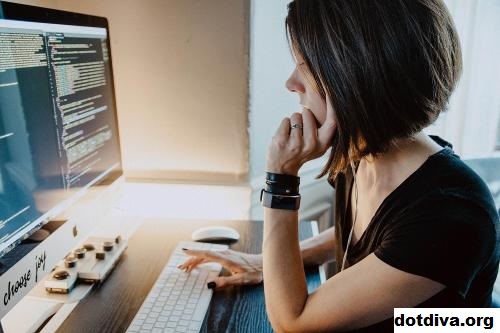
Feature photographs that are lively, casual, and spontaneous rather than posed, formal, or corporate looking. While it's hard to avoid, limit the number of images of women in front of computers (or at least show them outdoors with a hand-held device or laptop).

Include the Wider World
Wherever you can, present computing as part of a bigger picture. Show the designer of educational software surrounded by kids in a classroom or the developer of a mobile environmental monitor out in a field (even if their actual work takes place in an office). The purpose of the photo isn't to document someone's job literally, but to convey the larger meaning of their work—helping children to learn, for example, or protecting the environment.
Putting It All Together
See What IS a Dot Diva? and What's Your Passion? for illustrations of messages and images working together. We've also created an image bank of computing photographs with messages that you are free to use.